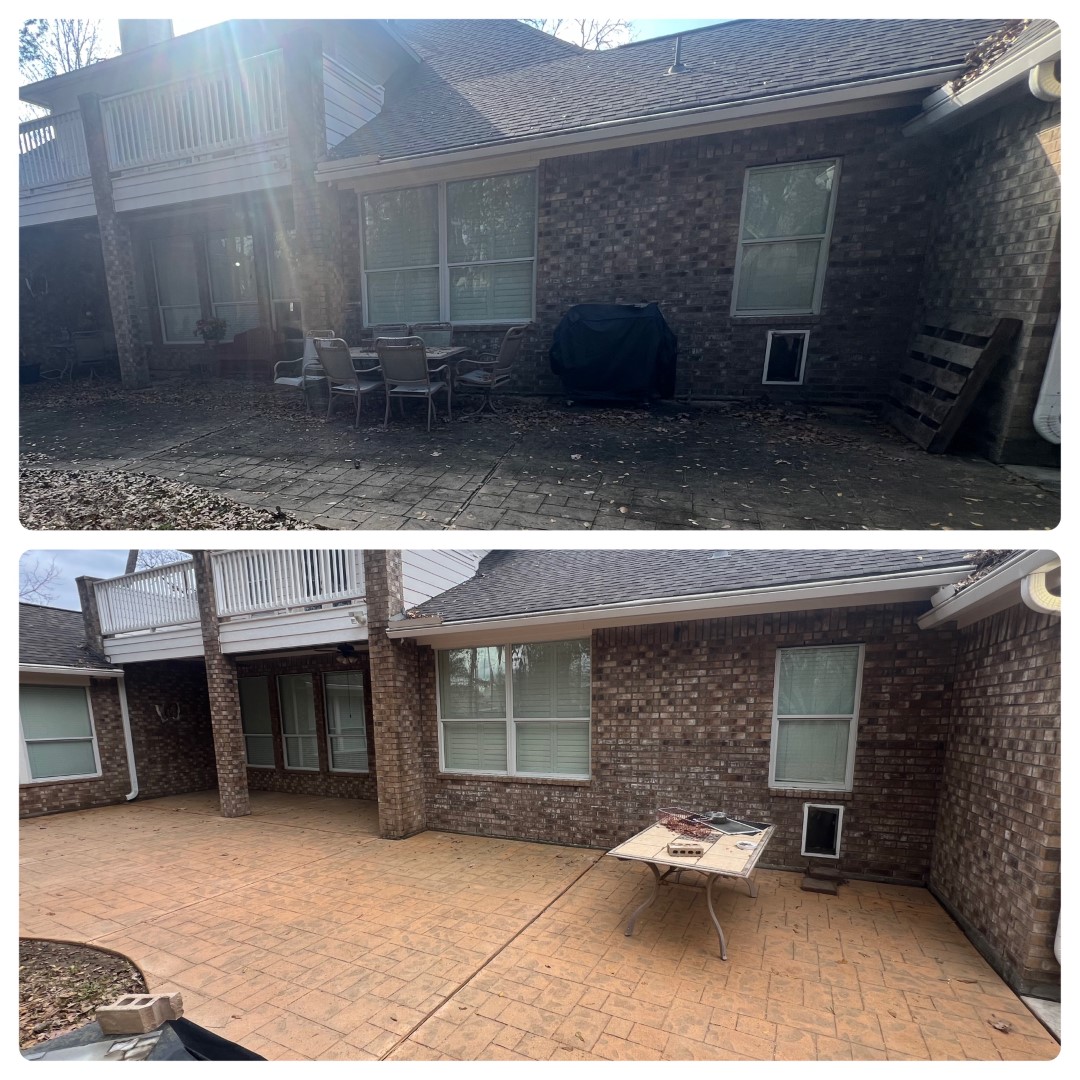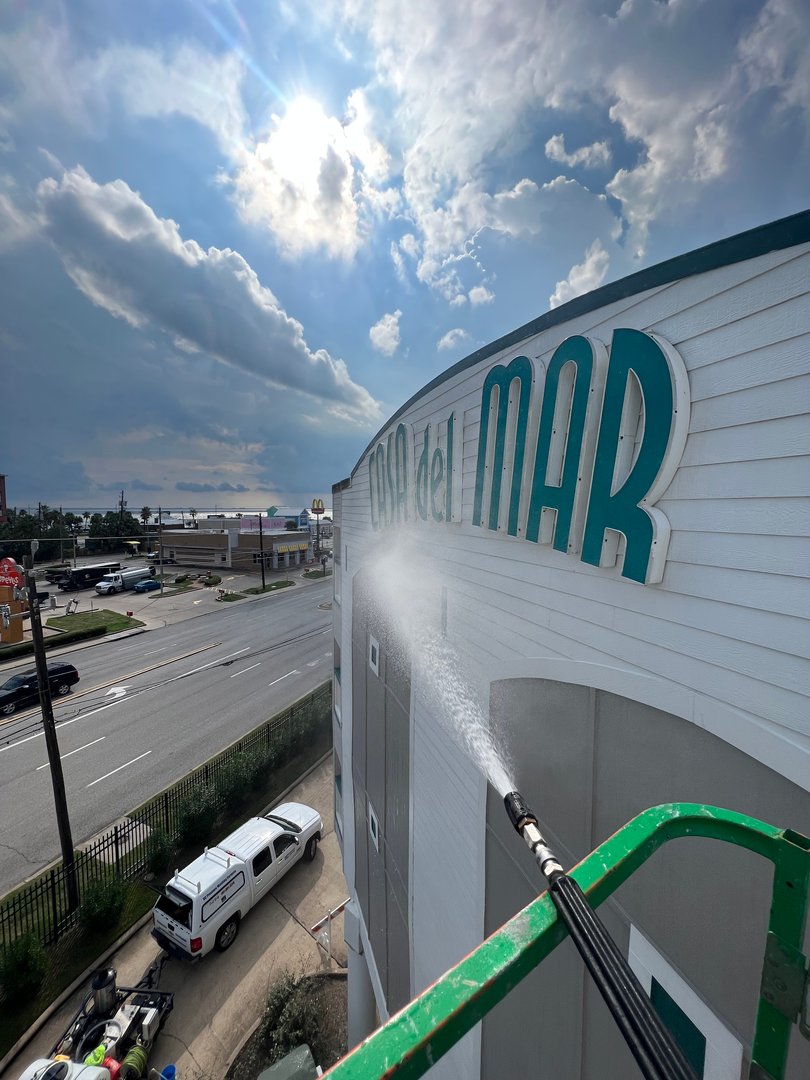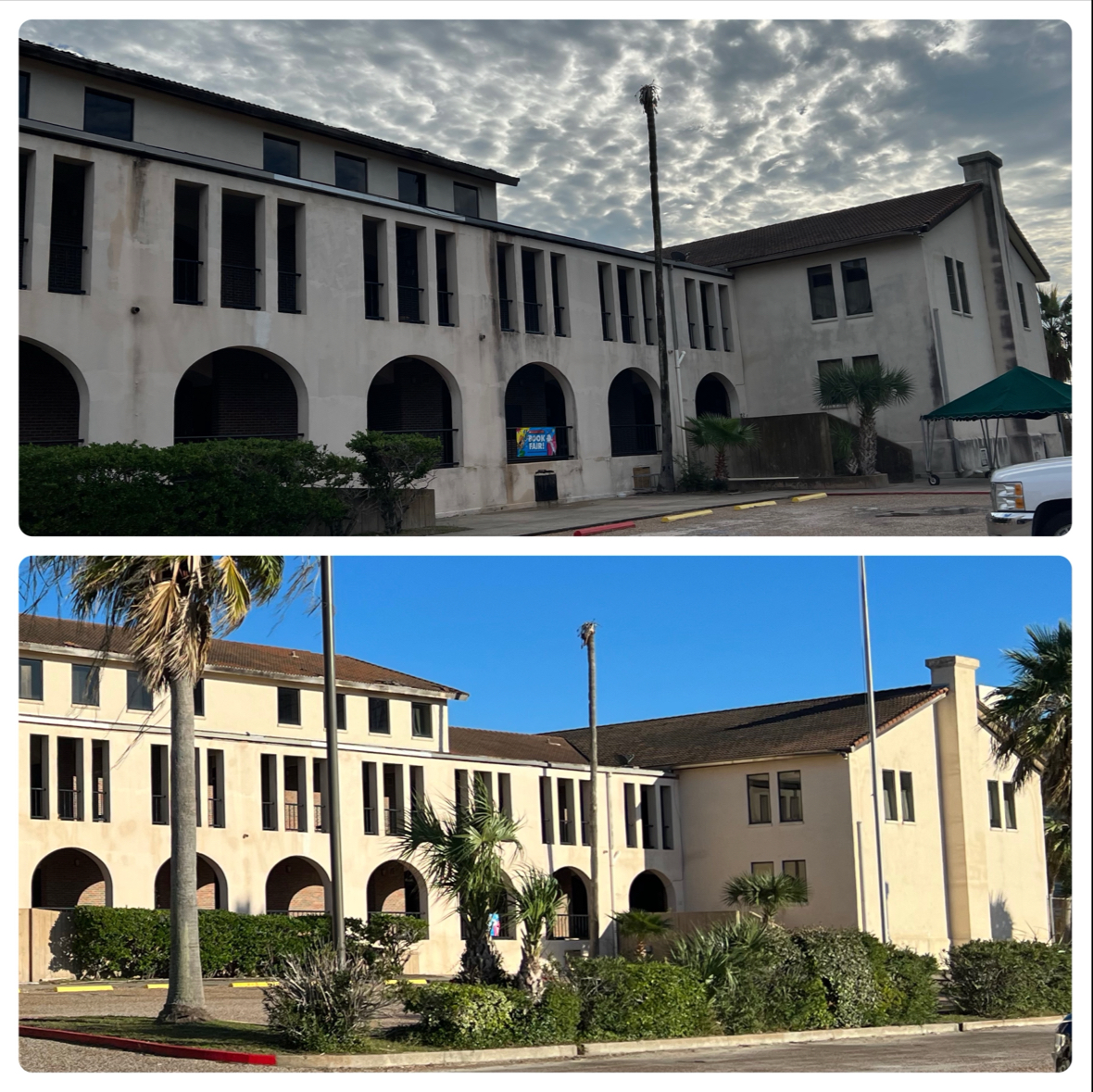

Spring's humidity and shade create the perfect setup for algae and mold to take over your driveway. If you've noticed that slimy green or black coating spreading across your concrete, you're not alone. The Houston area gets enough moisture and warmth that these organisms thrive year-round, especially under trees or in spots where water sits. The good news is that understanding why it happens makes it much easier to prevent and treat.
How Houston's Climate Feeds Algae Growth
Spring sits right in that sweet spot where algae loves to live. We get high humidity, regular rain, and plenty of shade from mature trees. Algae spores are always floating around in the air, and they land on your driveway looking for moisture and a surface to grip. Concrete is porous, so it holds water longer than you'd think. Even after rain stops, moisture sits in those tiny pores, and algae settles in. If your driveway gets afternoon shade from oak trees or your house blocks morning sun, you've created a microclimate where algae thrives for months.
Black mold grows the same way. It's not just a cosmetic problem either. Those organisms can actually break down concrete over time by trapping moisture against the surface.
Why Regular Cleaning Matters More Here Than in Drier Areas
In places like Arizona, a driveway might stay clean for months. Here in Spring, you're fighting biology constantly. Pressure washing isn't a one-time fix. It's maintenance. Most driveways in this area need cleaning every 12 to 18 months to keep algae from getting a foothold. If you wait until it's thick and black, the job gets harder and costs more.
The reason is simple: algae and mold are living things. They're not dirt. You can't just sweep them away. Pressure washing removes them at the root level, which stops them from spreading. But because our climate keeps feeding new spores, they'll eventually come back.
The Right Pressure and the Wrong Pressure
This is where DIY pressure washing can backfire in Spring. If you rent a machine and blast your driveway at 4000 PSI, you might strip the sealer off your concrete or even gouge it. Concrete that's been damaged holds water faster and becomes a better home for algae. You've made the problem worse.
Professional pressure washing uses the right combination of pressure, temperature, and sometimes chemicals to kill algae without harming the concrete. Hot water especially makes a difference. It kills spores that cold water alone won't touch. A good operator knows which spots need more attention and which ones need a lighter touch.
Sealing After Cleaning Helps Stop Regrowth
After we pressure wash your driveway, the concrete is clean but it's also more porous than usual. That's actually the perfect time to apply a concrete sealer. A quality sealer fills those tiny pores and makes it harder for moisture to settle in. It also creates a smoother surface that algae can't grip as easily.
Sealing won't stop algae forever, but it buys you time. Most sealed driveways in Spring stay cleaner for 18 to 24 months instead of 12 to 18. You're reducing how often you need cleaning and protecting your concrete investment at the same time.
What You Can Do Between Professional Cleanings
You don't have to wait for algae to take over before calling for help. A few simple habits help. Keep gutters clean so water doesn't pool in the same spots. Trim back tree branches if they hang over your driveway, since more sun means less algae. Try to keep standing water from sitting for days. If you see the first signs of green or black spots, a quick pressure wash before they spread is way cheaper than a full cleaning later.
Avoid bleach or vinegar as DIY solutions. They might lighten the stain temporarily, but they don't kill the roots of the algae. You're just treating the symptom. Within weeks, it comes back darker than before.
When to Call a Professional
If you're seeing algae creeping across your driveway, or if it's been more than 18 months since your last cleaning, it's time. Spring's climate doesn't give you the luxury of ignoring it. The longer you wait, the deeper the organism roots itself into the concrete, and the harder it is to remove.
RC Pressure Washing TX has cleaned hundreds of driveways across Spring and knows exactly what our local algae and humidity throw at concrete. We use pressure and temperature that work without damaging your surface, and we can talk through sealing options that fit your budget. Call us to schedule a cleaning and stop that green algae before it gets worse.