Pressure washers are powerful tools. A typical residential unit shoots water at 2,000 to 3,000 PSI, which is enough to strip paint off wood, etch concrete, or cause serious injury if you're not careful. Before you hire someone to pressure wash your home in Spring, you should understand what these machines can do, what damage they can cause, and what safety practices separate the pros from the amateurs.
The Real Risk of High-Pressure Water
People underestimate water pressure. It's invisible, so it doesn't look dangerous the way a saw blade does. But 3,000 PSI can cut skin and cause puncture wounds. It can force water into gaps between siding boards and trap moisture where it causes rot. On delicate surfaces like stucco, wood siding, or asphalt shingles, careless pressure washing creates damage that costs thousands to repair. A homeowner might save a few hundred dollars doing it themselves or hiring someone cheap, then spend five times that fixing water damage inside their walls.
Pressure Settings Matter More Than You'd Think
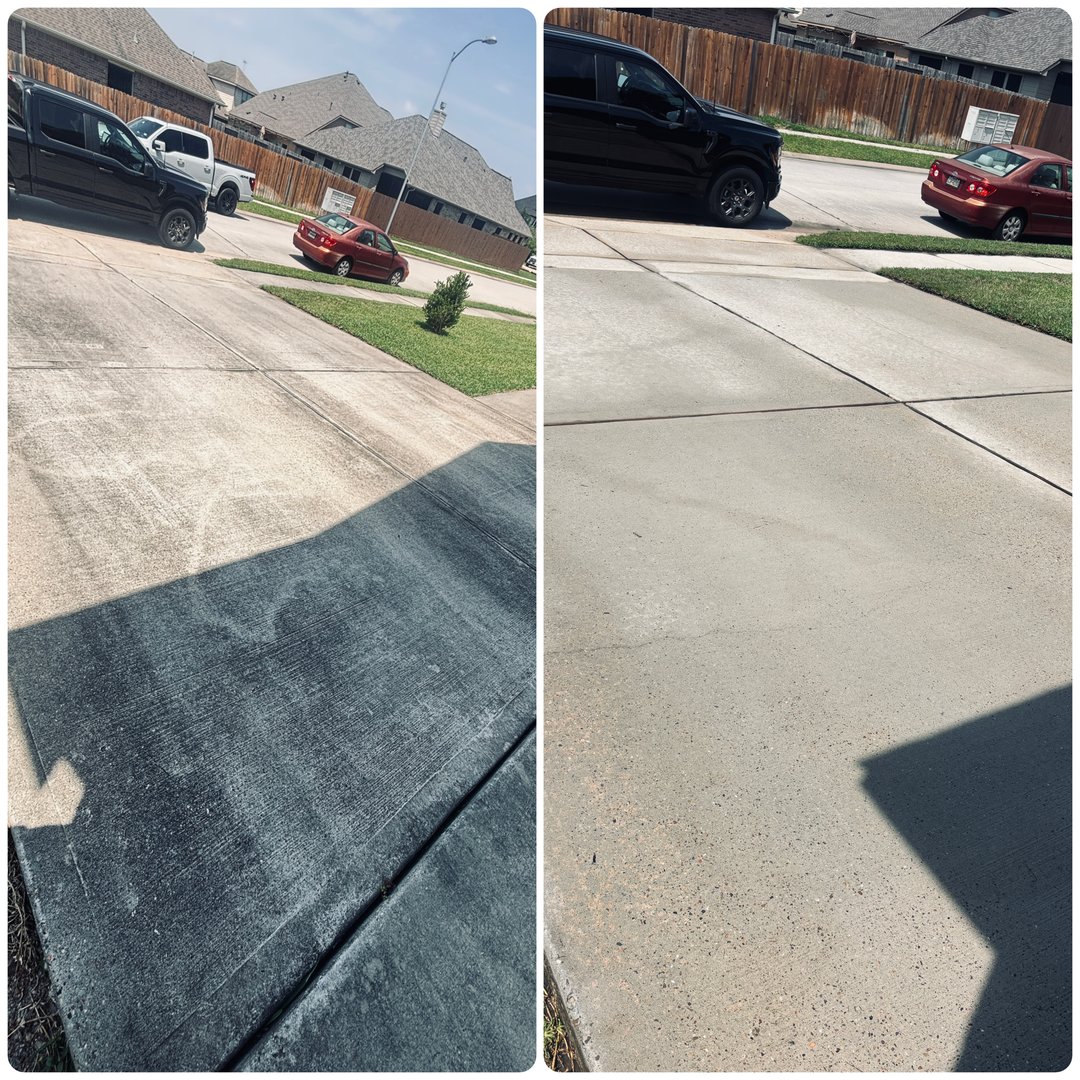
Not every surface needs the same PSI. Concrete driveways can take 3,000 to 4,000 PSI without issue. Wood decks need 1,500 PSI or less, and even then, the nozzle has to be held at the right distance and angle. Vinyl siding should be cleaned at around 1,200 to 1,500 PSI. Roof shingles need low pressure and the right detergent, not raw force. A contractor who shows up with one pressure washer and one nozzle and treats every job the same is cutting corners. When you call RC Pressure Washing TX, we adjust pressure based on the material. That's not overhead we're passing to you. That's the difference between a clean driveway and a ruined one.
Detergents and Runoff Are Your Responsibility Too
Pressure washing isn't just about water. Most jobs use detergent, and what goes down your driveway doesn't just disappear. In Spring, we're in Harris County, and stormwater runoff flows into local waterways. Some cleaners use harsh chemicals that can harm plants, fish, and groundwater. You should ask your contractor what detergent they're using and whether they're taking steps to contain runoff. If they say they don't know or don't care, that's a red flag. A professional should be able to explain their product and their process.
What to Look for in a Contractor
A competent pressure washing company will show up with multiple nozzles, not just one. They'll ask questions about what you want cleaned and what material it's made of. They should have insurance. They should know the difference between surface cleaning and deep cleaning, and they should warn you if a surface might not survive aggressive pressure washing. They'll protect nearby plants, windows, and outdoor furniture. They won't pressure wash your AC unit or force water into electrical outlets or vents.
In Spring, where humidity is high and mold grows fast, you also want someone who understands local conditions. Concrete here stays damp longer, which means algae and mildew come back faster. A contractor should be able to discuss whether you need a preventative treatment after cleaning, not just the initial wash.
Insurance and Liability
Ask whether your contractor carries liability insurance. If someone gets hurt on your property or your house gets damaged during the job, you want to know there's coverage. A contractor who balks at the question or claims they don't need it is not someone you should hire. In Texas, there's no state licensing requirement for pressure washing, which means anyone can call themselves a pro. Insurance is one way to verify they take the work seriously.
The Cost Question
Cheap pressure washing usually means one of three things. The contractor is working part-time and has low overhead. They're using low-quality equipment that doesn't do the job well. Or they're cutting corners on safety and technique. Spring homes range from modest to high-end, and your house probably represents your largest investment. Paying a fair rate for someone who knows what they're doing is not extravagant. It's practical.
When to Call the Professionals
If you're thinking about renting a pressure washer and doing it yourself, consider that you'll be responsible for any damage you cause. You'll also need to dispose of runoff responsibly. Most homeowners are better off hiring a company that has the right equipment, knows the local conditions, and carries insurance. The time you save and the risk you avoid usually justify the cost.
RC Pressure Washing TX serves Spring and the surrounding area with pressure washing that's done right. We understand the materials on local homes, we adjust our technique to match the job, and we clean up after ourselves. If you want your driveway, deck, or siding cleaned safely and thoroughly, give us a call today.