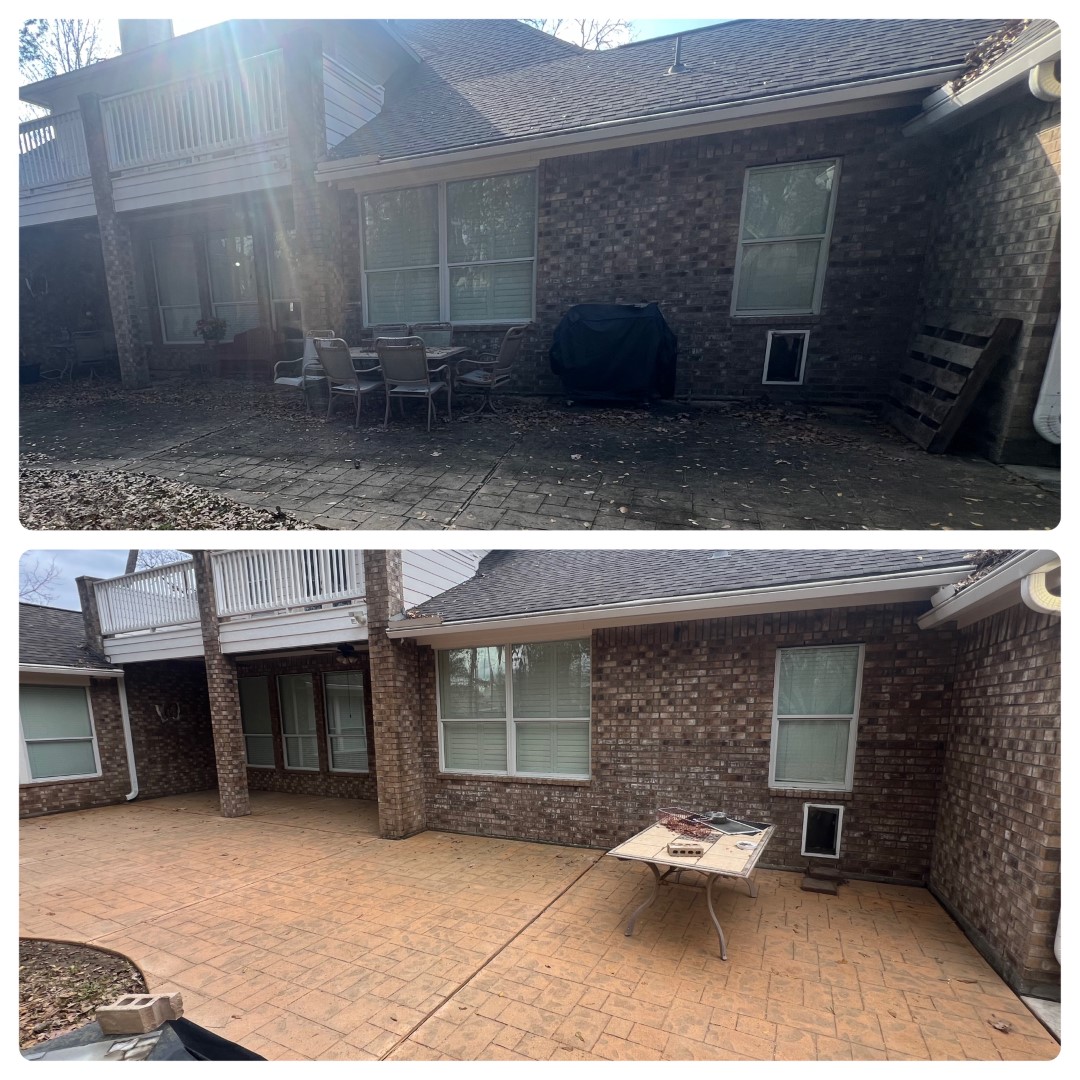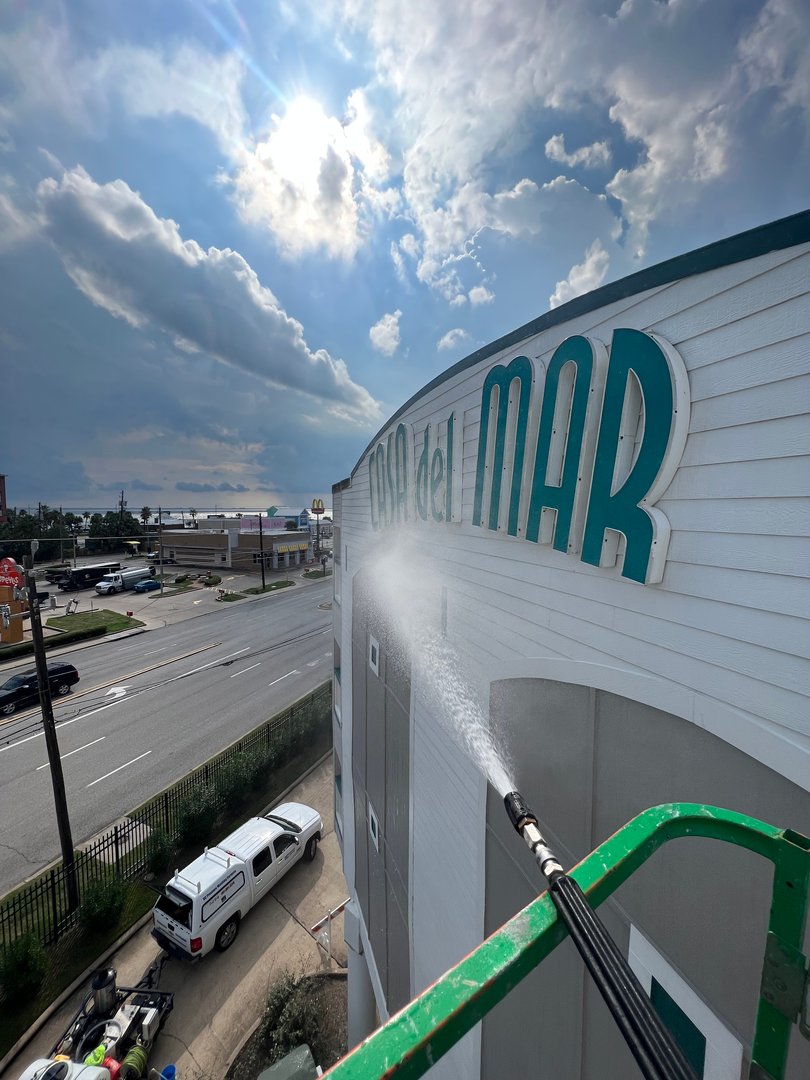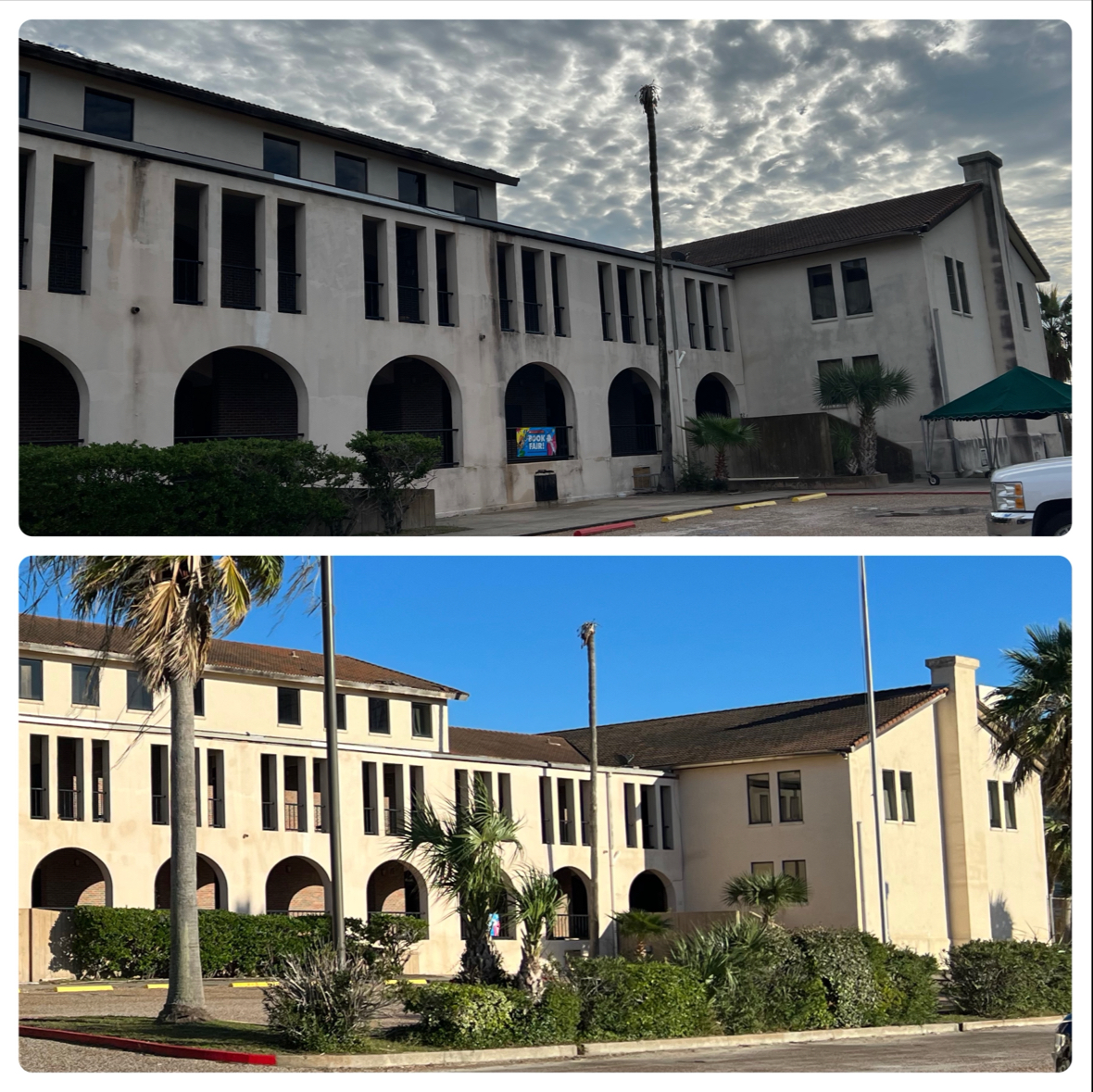
If you've ever hired someone to pressure wash your driveway or patio in Spring and watched it dry looking streaky, dull, or blotchy instead of clean, you're not alone. The problem usually isn't that the concrete is dirty underneath. It's that the person holding the wand made one of a handful of common mistakes that seem invisible while the surface is wet, but show up the moment water evaporates. Understanding what goes wrong helps you spot bad work before you pay for it, and it explains why the cheapest pressure washing job in town often looks worse than doing nothing at all.
Pressure Too High on the Wrong Surface
The biggest mistake is using excessive pressure on concrete that doesn't need it. A lot of operators think more PSI equals better results. That's backward. Concrete is porous and softer than people assume. Blast it at 4000 PSI when 2500 would do the job, and you're not just cleaning. You're eroding the surface layer. Once the top seal washes away, the concrete underneath becomes rough and discolored. That's why it looks gray and dull after it dries instead of the rich color you were expecting.
Spring's concrete gets plenty of sun and heat, which means the surface layer bonds tighter than it does in cooler climates. You want pressure in the 2000 to 3000 PSI range for most residential driveways here, with a 25 or 40-degree nozzle. Anything more aggressive should only be used on heavy stains in targeted spots, not the whole surface. A professional knows the difference. An amateur just cranks it to maximum.
Uneven Pressure and Lap Marks
Pressure washing requires consistent technique. When the operator moves the wand too fast across one section and too slowly across another, or holds it at different angles, you get visible lap marks when everything dries. These look like stripes or bands of varying color across your concrete. They're not dirt left behind. They're the result of some areas getting hit harder than others.
This happens when someone rushes the job or doesn't have much experience. The concrete looks acceptably clean while wet, so the customer signs off. Then it dries and the marks appear like magic. Preventing this means keeping the wand at a consistent height and speed, overlapping each pass slightly, and maintaining the same angle throughout. It's simple in theory but takes practice to execute without those telltale stripes.
Wrong Water Temperature and Additives
Cold water alone sometimes isn't enough, especially for Spring driveways stained with oil, rust, or years of grime. Hot water pressure washing works better, but it has to be done right. If the operator doesn't let the hot water sit on the stain for a few seconds before blasting, or uses too much heat without proper technique, the concrete can look worse after drying because the stain has been partially lifted but not removed. You end up with a faded, ghosted version of the original stain that looks dingy instead of clean.
Some jobs also need a concrete cleaner or degreaser applied before the pressure washing begins. Skipping this step means you're relying on pressure alone to do chemistry's job. The result is surface-level cleaning that looks okay wet but reveals dirty concrete underneath once it dries. The right approach is to apply cleaner, let it dwell, then pressure wash. That takes time, and time costs money, which is why cut-rate operators skip it.
Dirty Water and Poor Rinsing
The water coming out of the pressure washer has to be clean. If the tank or lines haven't been flushed properly, or if the operator is recycling dirty water, you're pushing contaminated water back onto the concrete. This leaves sediment, mineral deposits, or residue that shows up clearly once everything dries. It's like washing your car with dirty water. The surface looks clean until it dries and you see streaks and spots everywhere.
Thorough rinsing is also critical. After the pressure wash, the concrete should be rinsed with clean water at lower pressure to remove all soap, cleaner residue, and loose debris. Skipping the final rinse or rushing through it means buildup stays on the surface and hardens as it dries, leaving a hazy or spotted appearance.
Sealing Decisions and Timing
Some concrete should be sealed after washing, and some shouldn't. If you have a new driveway that's never been sealed, or one that's had the old seal wear away, applying a sealer after pressure washing protects it and brings out the color. But sealer has to be applied correctly, to completely dry concrete, in the right weather. Applying it to damp concrete or in high humidity traps moisture underneath and causes a cloudy, uneven finish.
Conversely, if your concrete already has a good seal, pressure washing shouldn't damage it. But if the operator uses excessive pressure on sealed concrete, they can peel or strip the seal, leaving you with a patchy, worn look. The decision to seal or not should happen before you hire the washer, not after the job surprises you.
What to Look For
When you're getting pressure washing quotes in Spring, ask the contractor what pressure they use and what technique they'll follow. Ask if they'll apply cleaner and let it dwell. Ask about their final rinse. A professional will have straightforward answers. Someone who just wants to show up and blast everything at maximum PSI probably doesn't know why your concrete looked worse after it dried the last time.
RC Pressure Washing TX has been doing this work in Spring long enough to know what works and what leaves customers disappointed. If your concrete dried looking worse than when we started, that's a problem we solve by doing it right the first time. Give us a call to talk about your project.