If you own a home in Spring, Texas, you already know how the heat and humidity work on outdoor surfaces. Your driveway is one of the biggest targets. It sits there taking direct sun, collecting dirt, algae, oil stains, and whatever else gets tracked onto it. Most homeowners figure a driveway is just concrete or asphalt, so it should hold up fine on its own. That's where the trouble starts. Skipping pressure washing for years doesn't just make your driveway look bad. It actually degrades the material itself, costs you money in repairs, and can create real safety hazards around your home.
Algae and Mold Take Over
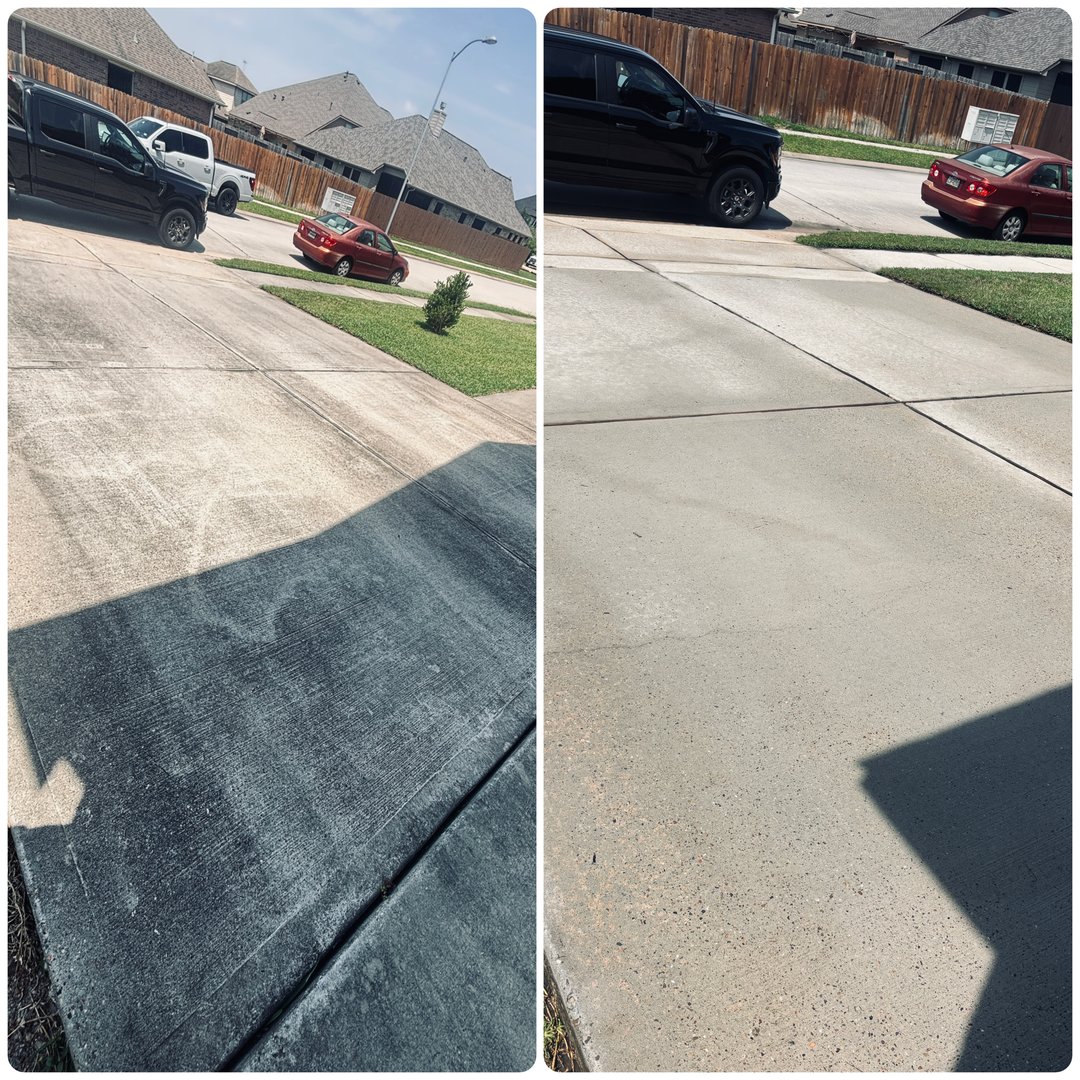
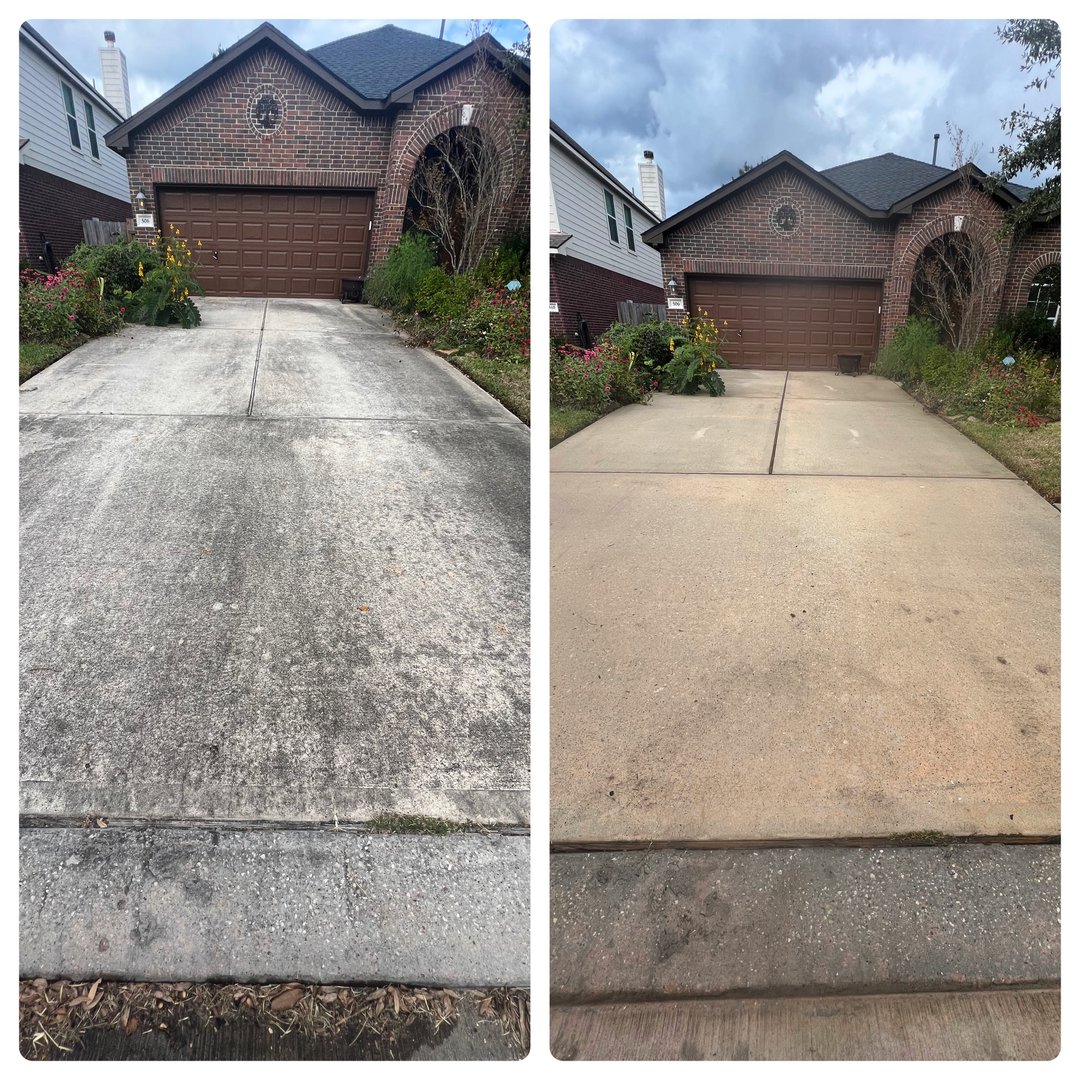
In Spring's humid climate, algae and mold don't need much invitation. They thrive in moisture and shade. If your driveway has even a few shaded spots, or if water pools anywhere after rain, you're giving them a home. Over time, these organisms embed themselves into the concrete or asphalt surface. They're not just cosmetic. Algae creates a slippery film that gets worse when wet. You or a family member can slip and fall, especially near the garage entrance or on an incline. The longer algae sits, the deeper it roots into the pores of the concrete. Eventually, pressure washing becomes much harder because the growth has had years to establish itself.
Oil and Chemical Stains Become Permanent
Every time your car drips oil, leaves residue from the engine, or leaks transmission fluid, that stain sets into your driveway. The longer it sits, the more it bonds to the concrete. Fresh oil stains are easier to remove. After a year or two, they're still manageable. After five or six years without cleaning, you're looking at stains that have chemically altered the top layer of concrete. Some homeowners assume a dark stain is just a cosmetic problem. It's not. Oil breaks down the concrete binder. The surface becomes softer and more porous, which lets water penetrate deeper. That's when real structural damage starts.
Water Infiltration Leads to Cracks and Potholes
Here's what most people don't realize about Spring weather: we get heavy rain, and we get heat. That combination works against concrete. When your driveway is dirty, water sits on the surface longer and soaks in through the pores. In winter, if we get a cold snap, that water freezes and expands. Concrete cracks. In summer, that water gets trapped underneath and causes the surface to weaken from below. A clean driveway sheds water. A dirty one absorbs it. After years of skipping pressure washing, you'll start seeing small cracks turn into larger ones. Those cracks become potholes. Potholes mean expensive asphalt or concrete repairs, sometimes running into thousands of dollars depending on how much damage has spread.
Your Home's Curb Appeal and Resale Value Take a Hit
If you ever plan to sell your home, a grimy driveway is one of the first things buyers notice. It's the approach to your house. A dark, stained, algae-covered driveway makes the entire property look neglected, even if everything else is well-maintained. Real estate agents will tell you that curb appeal affects offers. Buyers see a dirty driveway and start wondering what else you've let slide. A clean driveway costs nothing compared to what you lose in negotiating power. If you're not selling soon, it still matters. Your home's appearance reflects on you. Neighbors notice. You notice every time you pull in.
Regular Pressure Washing Prevents Costly Repairs
A pressure wash once or twice a year keeps your driveway in good condition. It removes algae before it embeds itself. It clears oil stains while they're still on the surface. It gets rid of dirt and debris that trap moisture. You're essentially protecting your investment. Think of it like changing your car's oil. You spend a little money regularly to avoid major engine work later. The same logic applies to your driveway.
What to Do Now
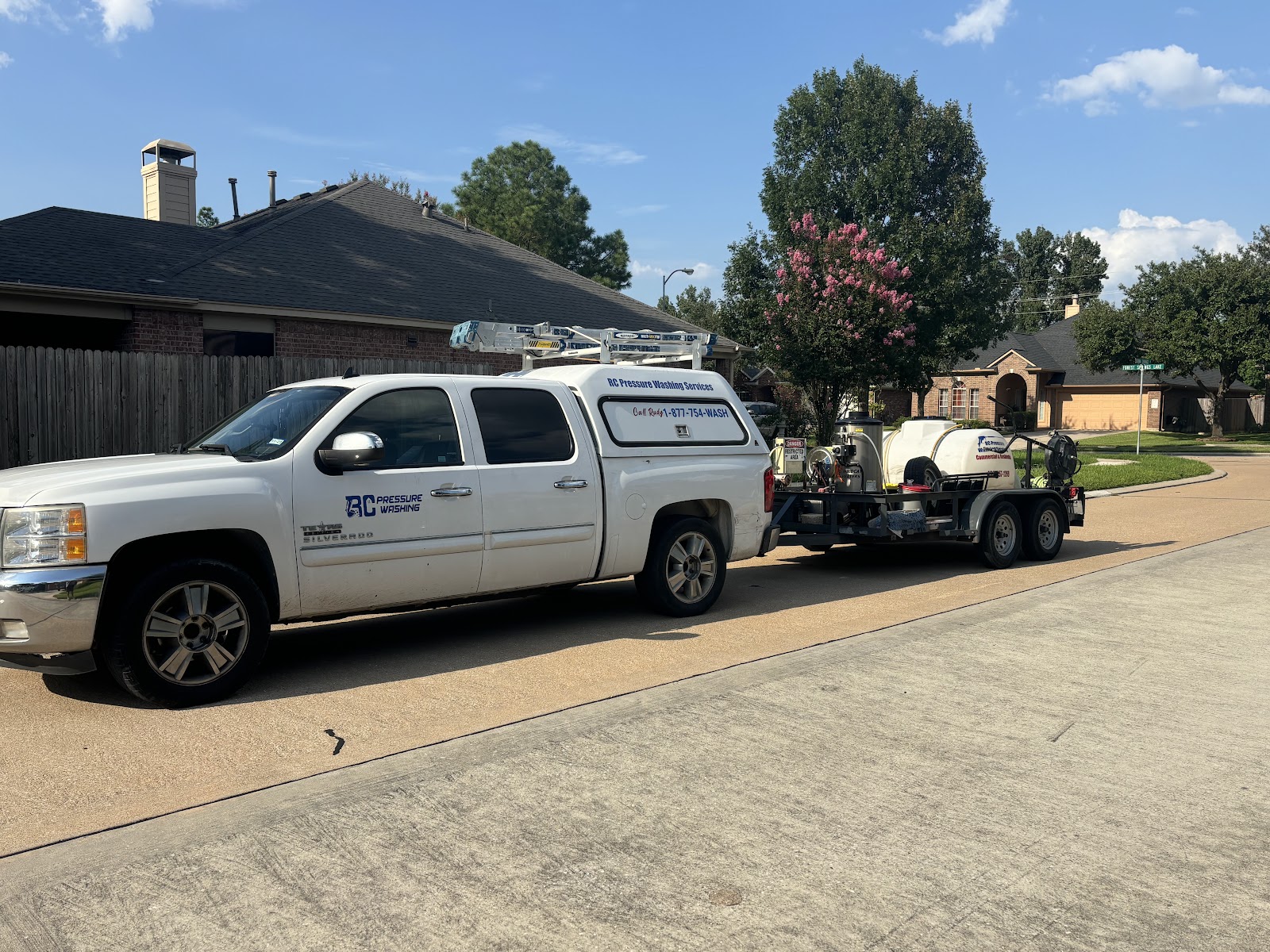
If your driveway has been neglected for a while, the good news is that pressure washing can still help. Heavy buildup takes more work, but it's still removable. Spring's humidity means algae will come back, so you'll want to schedule regular cleanings to stay ahead of it. RC Pressure Washing TX serves homeowners throughout Spring and can handle driveways in any condition. We know the local climate and what it does to concrete and asphalt. Call us to schedule a cleaning and get your driveway back in shape before the damage goes deeper.